.png)
At this meetup, participants learned about visiting a hospital, communicating when sick, and preparing for disasters.
You can review what you learned anytime on this page.
What You Can Learn on This Page
The Process When You Visit a Hospital
①Choose Your Symptoms
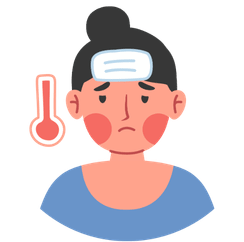
【Internal Medicine】
For fever, colds, or stomach pain
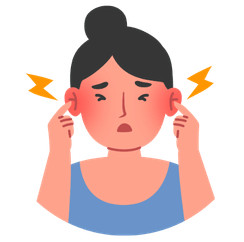
【ENT】 (Ear, Nose & Throat)
For ear, nose, or throat symptoms
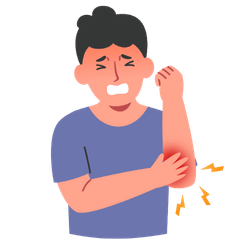
【Orthopedics】
For bone, joint, or injury-related pain

【Ophthalmology】
For eye-related symptoms
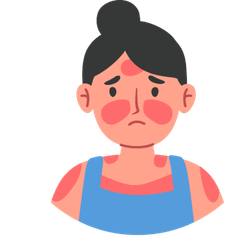
【Dermatology】
For skin-related symptoms
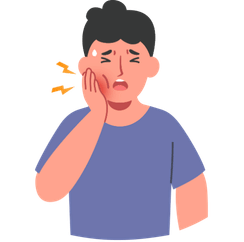
【Dentistry】
For tooth or dental problems
②Find a Nearby Hospital or Clinic

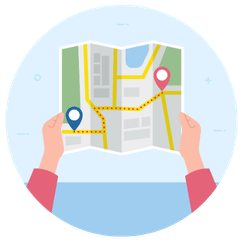
Search with Google Maps
You can search for nearby hospitals and clinics and check their opening hours.
For example, search for 🔍 "fever hospital" or "ear clinic".
Need Medical Care at Night or on Holidays?
Many hospitals and clinics are closed at night, on Sundays, and on public holidays.
Search for 🔍 "[Your City] Emergency Medical Services"
You can find a list of available facilities on your local government's website.
③Call the Hospital or Clinic
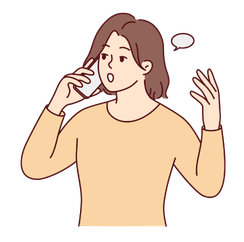
Many hospitals and clinics in Japan require an appointment.
Without one, you may not be able to see a doctor or may have to wait a long time.
Calling ahead can make your visit smoother and less stressful.
- First, tell them:"This is my first visit." "I have visited before."
- Your symptoms:"I have a fever." "I have a toothache."
- When it started:"Since yesterday." "Since three days ago."
- Ask about visiting:"Can I come now?" "Do you have an opening at 10:00 today?"
④Go to the Hospital or Clinic
Make sure to bring everything you need before leaving.
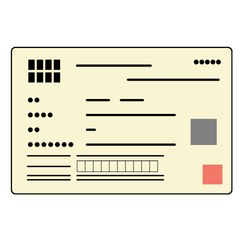
Eligibility Certificate or My Number Health Insurance Card (My Number Card)
Using health insurance can reduce your medical costs by about 70%.
If you forget your insurance card, you may have to pay more. If this happens, bring it to the hospital later.
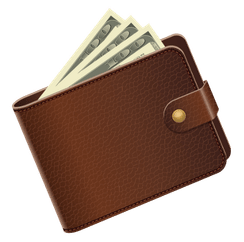
Cash
Some hospitals and clinics accept cash only.
A typical hospital visit for a fever or cold costs about ¥1,000–¥3,000. Medication costs are separate.
Additional tests may increase the total cost.
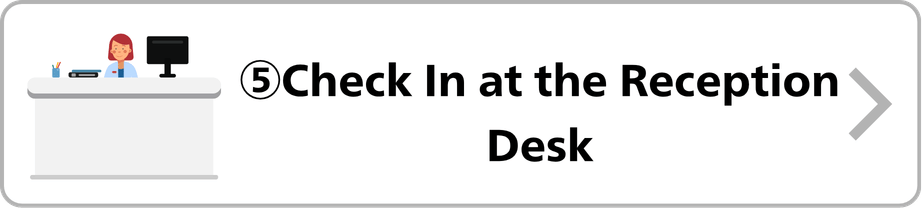
⑤Check In at the Reception Desk
When you arrive at the hospital or clinic, check in at the reception desk first.
①Do you have an appointment?
②What is your name?
③Do you have your health insurance card?
④What brings you in today?
①Yes, I have an appointment.
②My name is ○○○○.
③Yes, I do.
④I have had a fever since this morning.
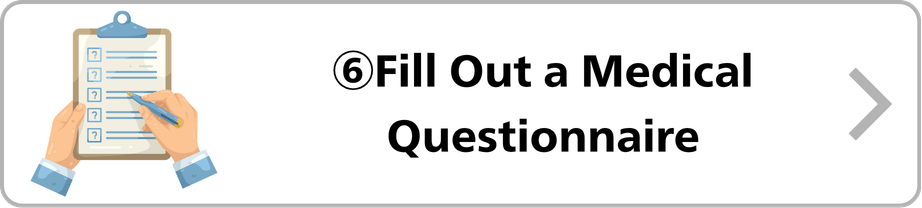
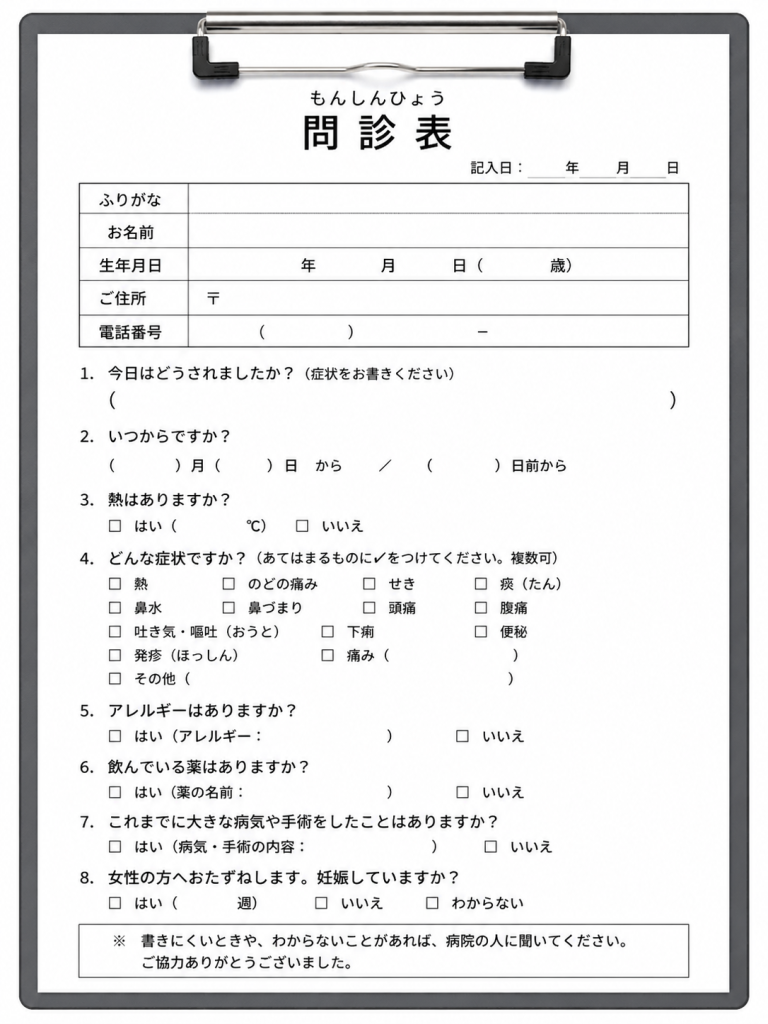
⑥Fill Out a Medical Questionnaire
Write down information about your symptoms and health condition.

Basic Information
Name, date of birth, address, and other personal information
Current Symptoms
What symptoms you have and how they feel
Past and Current Medical Conditions
Any illnesses you have had in the past or are currently being treated for
Medications
Names of medications, supplements, or other products you take
Allergies
Food allergies, medication allergies, and any other allergies
Communication During Illness
Learn useful expressions for different situations: when you are feeling sick and when someone around you is feeling sick.
When You Need to Take a Day Off Work
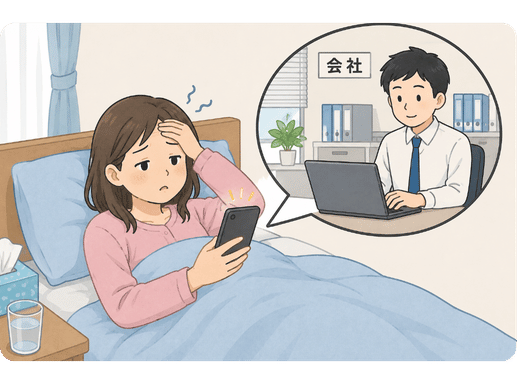
Useful Phrases
Tips
When a Friend or Coworker Is Feeling Sick
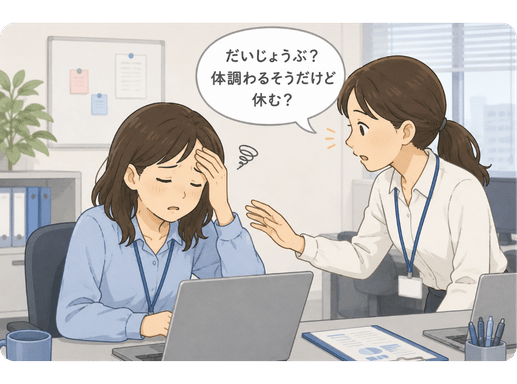
Useful Phrases
Tips
Disaster Preparedness
Disasters can happen at any time. It is important to learn the correct information and be prepared in advance.
Protect Yourself
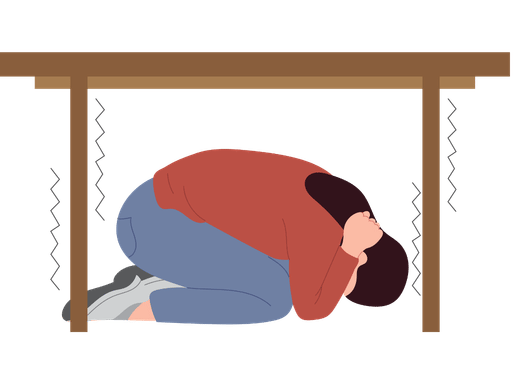
- Stay calm and do not panic.
- Take cover under a table.
- Protect yourself from falling objects.
- Move away from dangerous areas.
Check Reliable Information
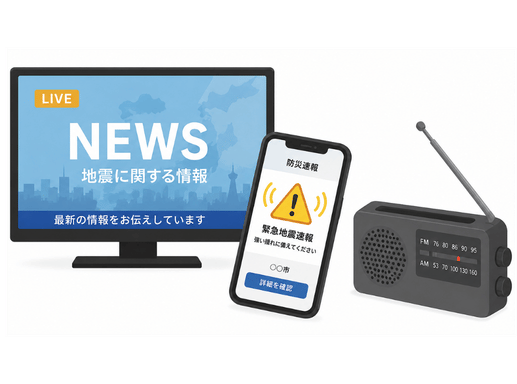
- Get the latest updates from TV, your smartphone, or the radio.
- Be careful of rumors and misinformation on social media.
Know Your Evacuation Site
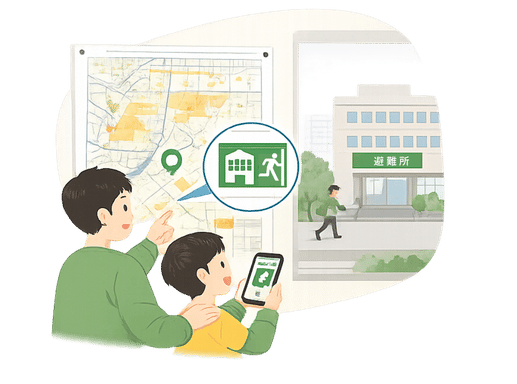
- Know where to evacuate and how to get there.
- Use hazard maps to identify dangerous areas.
Help Each Other
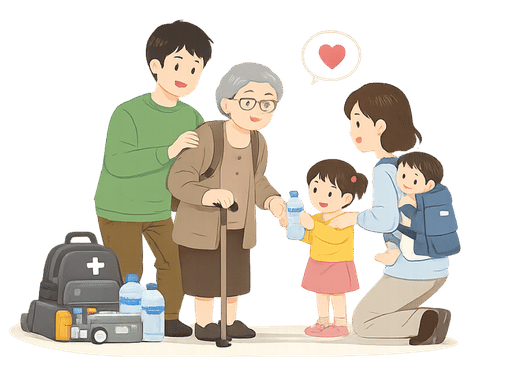
- Check on the people around you.
- Help elderly people, children, and anyone who may need assistance.
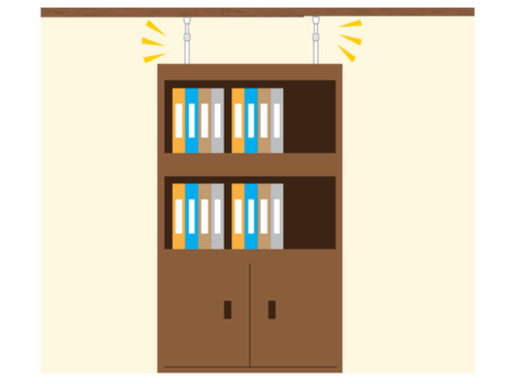
Secure Your Furniture
Furniture may fall during an earthquake and cause injuries.
Tension rods and furniture straps can help prevent furniture from falling. They are available at home improvement stores and 100-yen shops.
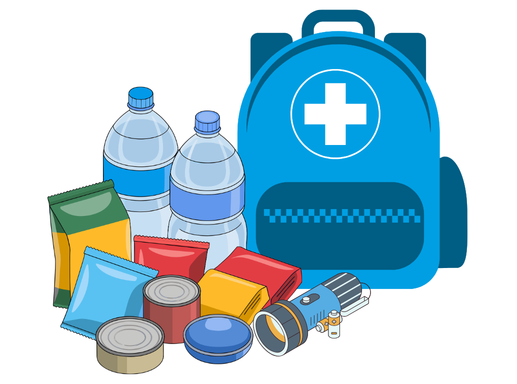
Prepare Emergency Supplies
It is recommended to prepare enough supplies for 3 days to 1 week in case water, electricity, or gas services stop.
Keep your emergency supplies in a backpack so you can take them quickly if needed.
▼Emergency Food Supplies
Water / Emergency rice / Instant noodles / Canned food / Ready-to-eat meals / Nutrition jelly or energy bars / Chocolate, etc.
▼Essential Emergency Items
Portable toilet / Flashlight / Batteries / Medicines / Change of clothes / Plastic bags / Portable gas stove / Gas canisters, etc.
Quiz Check!
Hospital & Disaster Quiz
Let's review what you learned about 🏥 hospitals and 🚨 disasters with this quiz!
Useful Links
Helpful Websites and Support Services
Medical Information Network Navi
You can search for nearby hospitals and clinics and check their opening hours.
Emergency Medical Consultation Hotline (#7119)
If you are unsure whether to call an ambulance or visit a hospital, you can call this hotline for advice.
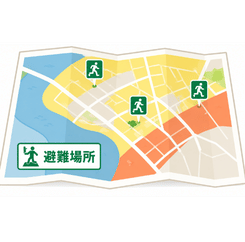
Hazard Map Portal Site
You can check what types of disasters may occur in your area.
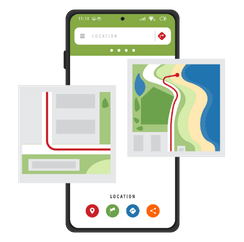
Tokyo Disaster Prevention Map
You can find disaster risk areas and evacuation sites in Tokyo.
NHK WORLD-JAPAN
Multilingual Life & Disaster Information
Information about daily life and disasters is available in multiple languages.
Tokyo Disaster Preparedness App
Get useful information about disaster preparedness and emergency situations.