Meetup #6 | Recap

Disaster Preparedness

What to do during and after a disaster, and how to prepare

On this page, you can review what we learned at the meetup anytime. Disasters are common in Japan, so it is important to be prepared. Please share this page with your family and friends so you can be ready for an emergency.
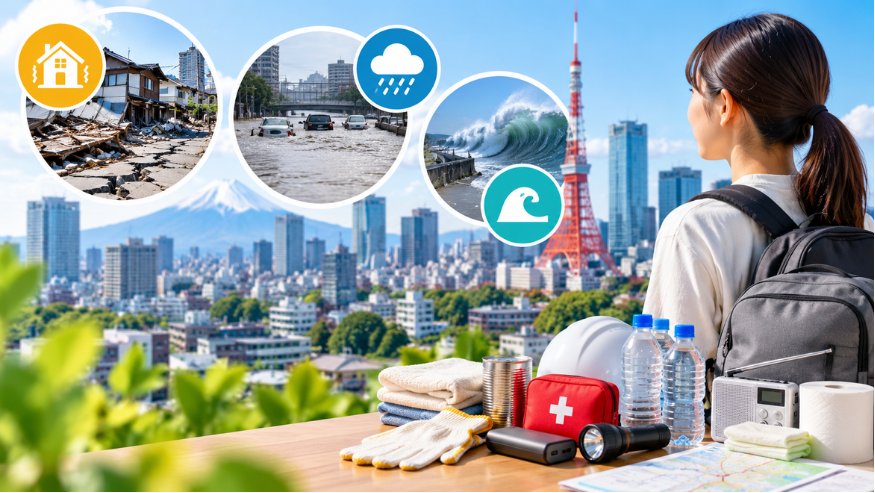
Illustration of a house during a typhoon
STEP 1

Disasters in Japan

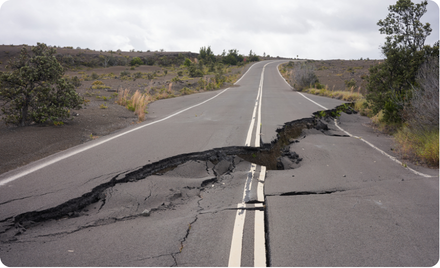
Earthquake
Earthquake
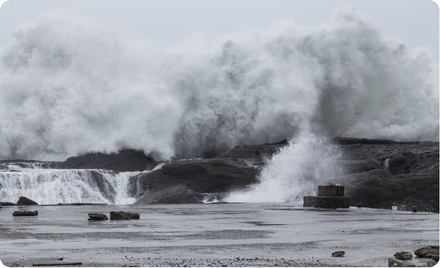
Tsunami
Tsunami
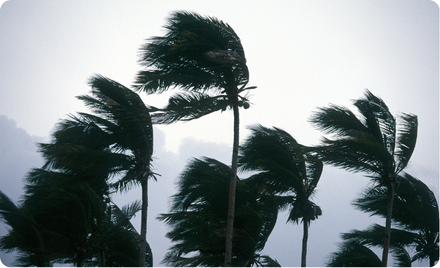
Typhoon
Typhoon
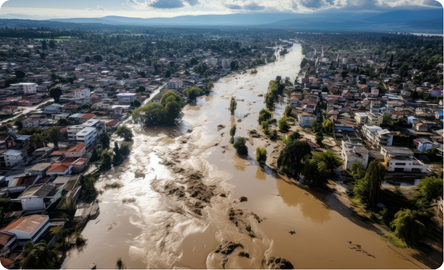
Heavy rain and flooding
Heavy Rain / Flooding
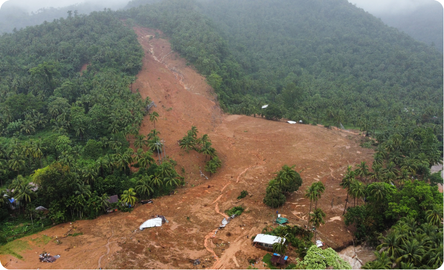
Landslide
Landslide
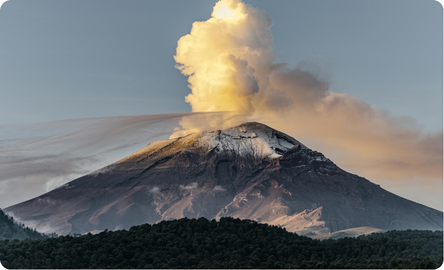
Volcanic eruption
Volcanic Eruption

The chance of a major earthquake occurring in the Kanto region within the next 30 years is...

70%
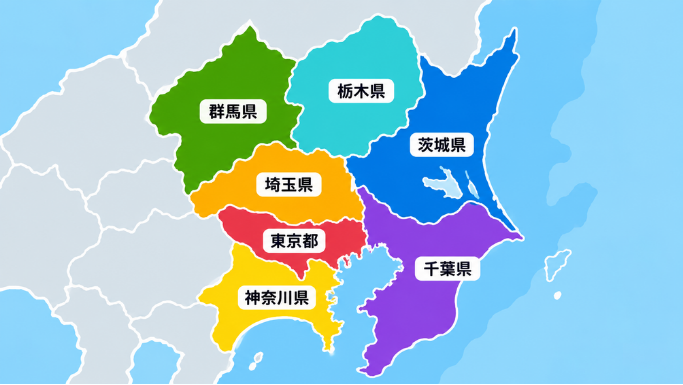
Map of the Kanto region
STEP 2

What to Do During a Disaster

① What should you do when you receive a disaster alert?
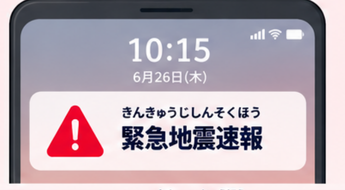
Earthquake Early Warning
Earthquake Early Warning on a smartphone
Warns you that strong shaking is coming → Protect yourself first
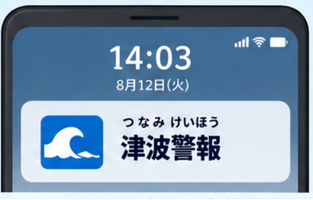
Tsunami Warning
Tsunami illustration
Warns you of a possible tsunami → Move away from the sea and go to higher ground
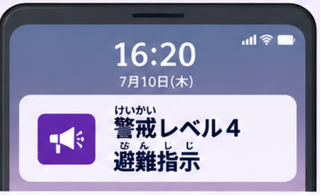
Alert Level 4 Evacuation Order
Emergency speaker illustration
Warns you that the risk of disaster is high → Evacuate from dangerous areas
Alert Levels for Heavy Rain
Level 1 Check the weather information
Level 2 Check where to evacuate
Level 3 People who need more time to evacuate, such as older people, should evacuate
Level 4 Everyone in a dangerous area should evacuate
Level 5 Your life is in danger! Move to a safe place immediately
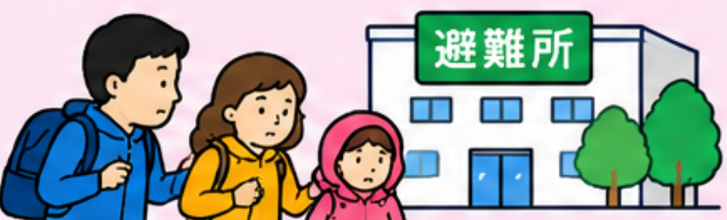
Family evacuating
Don't wait for Level 5!

If you are in a dangerous area, evacuate by Level 3 or 4.

② How should you act in different places and disasters?
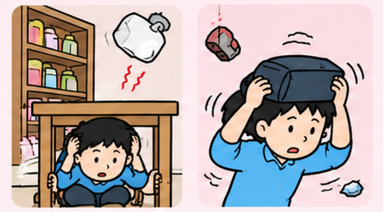
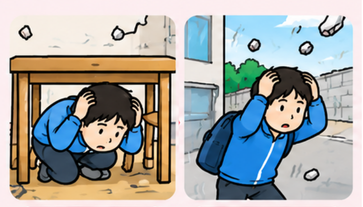
1 Protect yourself first
Protecting yourself under a desk and covering your head
Get under a desk, protect your head with a bag, and stay away from falling objects
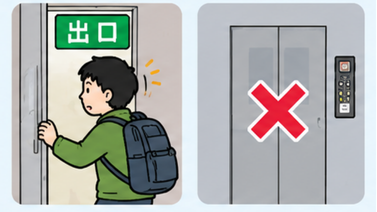
2 Check your surroundings
Opening a door and avoiding elevators
Open the door in case it gets stuck, and do not use elevators
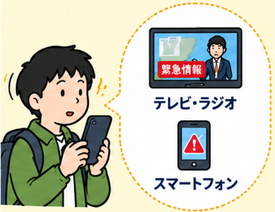
3 Check reliable information
Checking information on a smartphone
Check reliable information on TV, radio, or your smartphone and decide what to do next
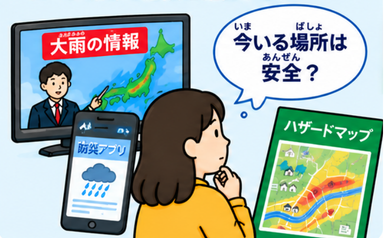
1 Check information and risks
Checking heavy rain information on TV and a smartphone
Check the risks in your area using TV, your smartphone, or a hazard map
2 Choose a safe place
Your home is unsafe → Move to a safe place early
Your home is safe → Stay inside if it is safer
Going outside is dangerous → Move to a higher floor
1 Protect yourself
Protecting your head
Indoors: Protect your head / Outdoors: Protect yourself from falling objects
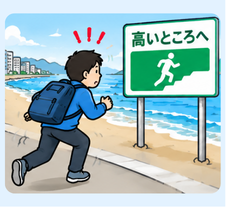
2 Move away from the sea as soon as the shaking stops
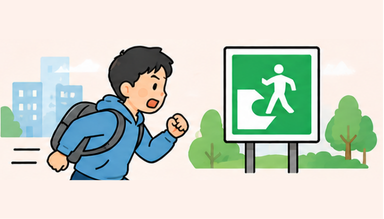
Running away from the sea
If you feel strong shaking, there may be a risk of a tsunami
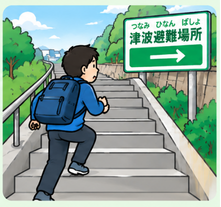
3 Evacuate to higher ground
Evacuating to higher ground
Act quickly. Look for signs showing a "Tsunami Evacuation Area"
!

Check the risk, what to do, and information, and take the right action for the situation!

STEP 3

What to Do After a Disaster

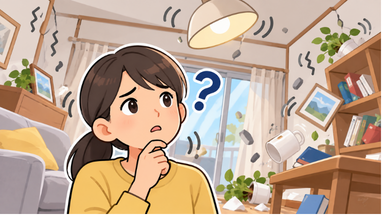
Person thinking
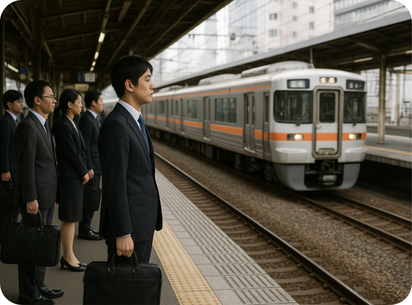
What We Discussed in the Group It is the day after a major earthquake. You are at home. How will you spend the day?
・You are not injured ・Trains are not running ・Your home is still safe to live in ・Your phone battery is at 30% ・Electricity and water are not available ・A nearby evacuation shelter is open

Choose Where to Stay

There is no single correct answer.
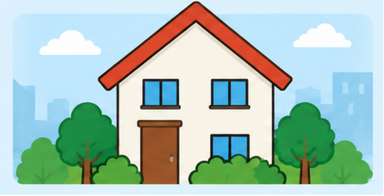
House illustration
A Stay at Home ✓ Your home and the surrounding area are safe

Sheltering at Home: Staying at home instead of going to an evacuation shelter. Think about how many days you can manage with the water, food, and electricity you have.
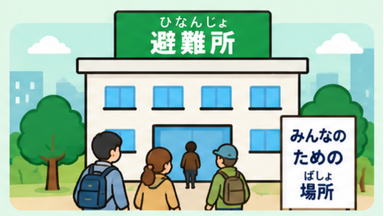
Evacuation shelter illustration
B Stay at an Evacuation Shelter ✓ It is difficult to stay at home

Evacuation shelters are shared spaces for everyone.
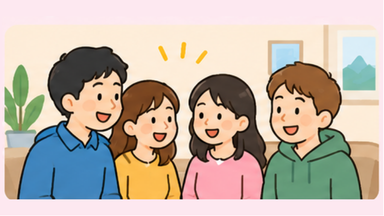
Family and friends illustration
C Stay with Family or Friends ✓ You can travel there safely and have a safe place to stay
Designated Emergency Evacuation Area
Person evacuating

A place to escape to immediately to protect your life from a disaster
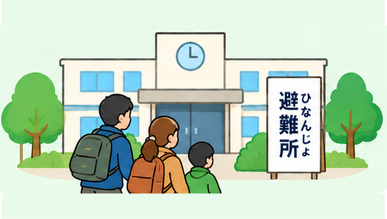
Designated Evacuation Shelter
School evacuation shelter illustration

A place to stay temporarily after a disaster

How Can You Find Your Evacuation Shelter?
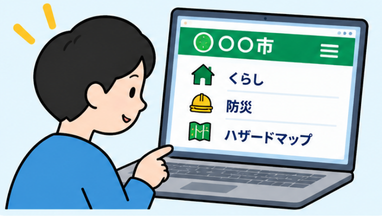
Checking a municipal website on a computer
1 Check your local city or ward website
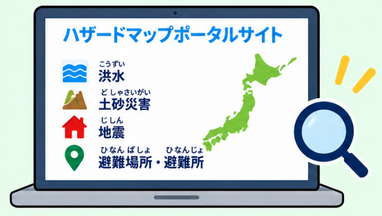
Hazard Map Portal website
2 Check the Hazard Map Portal View Website ↗

※ Evacuation locations may differ depending on the type of disaster. The same school or facility may serve as both an emergency evacuation area and an evacuation shelter.

Information You Need After a Disaster
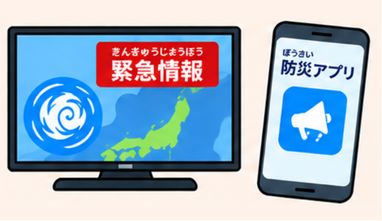
Emergency information and disaster app illustration
Disaster & Evacuation Information Check the Japan Meteorological Agency, local government websites, and disaster prevention apps
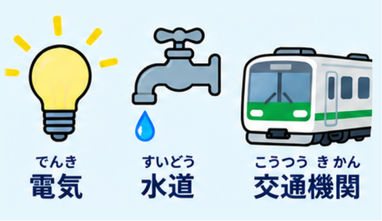
Electricity, water, and train illustration
Utilities & Transportation Check the latest information on electricity, water, trains, and other transportation
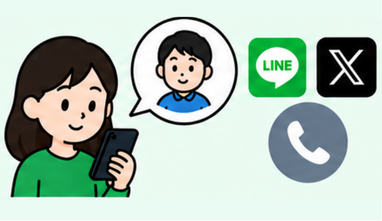
Contacting family and friends by phone or messaging app
Safety of Family & Friends Contact them by phone, social media, or the Disaster Emergency Message Dial (171)

False information can spread on social media. Always check official sources such as the Japan Meteorological Agency and your local government.

STEP 4

Disaster Preparedness

1
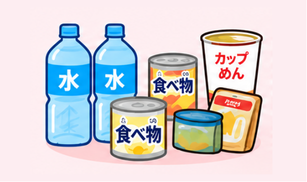
Water and food illustration
Water & Food
2
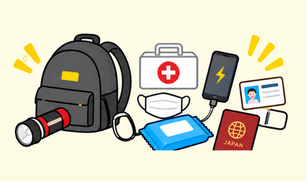
Emergency supplies illustration
Essential Supplies
3
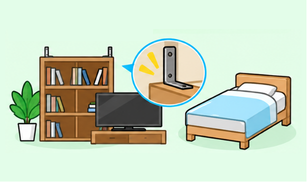
Furniture and bed illustration
Home Safety
4
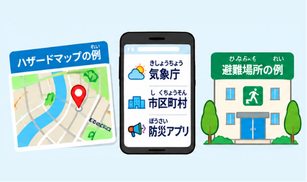
Hazard map and evacuation area illustration
Evacuation & Information
5
Contacting family and friends illustration
Contacting Family & Friends
Disaster Preparedness Checklist

Check the items you are already prepared for.
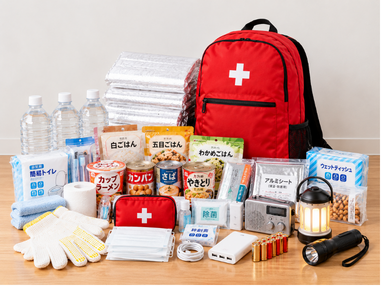
Emergency supplies
Where to Buy
Online (Amazon, etc.) Home Centers Supermarkets & Drugstores 100-yen Shops

Ready-made emergency backpacks are also convenient.

Q1 Alert Level 4 (Evacuation Order) has been issued. You are on the 5th floor of an apartment building in an area with no flood risk shown on the hazard map. What should you do?

⭕ Correct!

❌ Not quite...

If your home is safe, staying there may be safer than going outside. Keep checking the latest disaster information.

Q2 What is the difference between a Designated Emergency Evacuation Site and a Designated Evacuation Shelter?

⭕ Correct!

❌ Not quite...

They have different purposes. In some cases, the same school or facility may serve as both.

Q3 You feel strong shaking near the coast, but no tsunami warning has been issued yet. What should you do?

⭕ Correct!

❌ Not quite...

Strong shaking near the coast may mean there is a tsunami risk. Do not wait. Evacuate immediately.

Q4 The day after an earthquake, you see a social media post saying, “○○ Evacuation Shelter is already full.” What should you do first?

⭕ Correct!

❌ Not quite...

Incorrect information may spread on social media during a disaster. Always check official sources.

Q5 What can you do now to prevent furniture from falling during an earthquake?

⭕ Correct!

❌ Not quite...

L-shaped brackets, tension poles, and anti-tip mats are available at home improvement stores and 100-yen shops.
STEP 5

Check Your Understanding